







Finding foolproof workout routines for extreme heat conditions saved my summers, literally. I used to dread June through September because every outdoor session left me dizzy, nauseous, or completely drained by noon. Then I started rethinking everything: timing, intensity, hydration, even the types of movements I chose. Turns out, training in the heat doesn’t have to wreck you. It just requires a smarter approach than most people realize.
Why Training in Extreme Heat Demands a Different Strategy
Your body works overtime in high temperatures. It’s simultaneously trying to cool itself through sweat and blood flow redistribution while also fueling your muscles during exercise. That’s a massive demand on your cardiovascular system. Your heart rate climbs faster, you fatigue sooner, and your perceived effort skyrockets even during workouts that normally feel easy.
I learned this the hard way during a Texas summer when I tried to maintain my normal running pace in 105°F heat. I bonked hard at mile two, something that had never happened before. The lesson? Heat isn’t just uncomfortable. It’s a genuine physiological stressor that changes how your body performs. Ignoring that reality is how people end up with heat exhaustion or worse.
Also Read: Top Rated Fitness Routines for Stress Relief Seekers 2026
The good news is that your body adapts. After about 10 to 14 days of consistent heat exposure, a process called heat acclimatization kicks in. Your sweat rate increases, your core temperature stays lower, and your heart becomes more efficient. But during that adaptation window, and even after, you need routines specifically designed for these conditions.
Adjust Your Timing Before Anything Else
The single biggest change I made was shifting my workouts to early morning or late evening. Between 10 a.m. and 4 p.m., pavement temperatures can exceed 140°F in direct sunlight, and ambient heat makes everything feel 10 to 15 degrees hotter than the forecast says.
My sweet spot became 5:30 a.m. The air is cooler, the sun is low, and there’s often a slight breeze that disappears by mid-morning. If mornings don’t work for you, sunset sessions are the next best option. I’ve done plenty of 7:30 p.m. workouts where the temperature had dropped just enough to make a real difference. Even a 5-degree drop changes how you feel during a hard set.
One tip that caught me off guard: check the humidity, not just the temperature. An 88°F day with 80% humidity is far more dangerous than a 100°F day with 15% humidity. Your sweat can’t evaporate efficiently in humid air, which means your body’s primary cooling mechanism basically stalls. I use the Weather Channel app to check the “feels like” temperature before every session.

Build Your Foolproof Workout Routines for Extreme Heat Around Shorter Intervals
Long, grinding sessions in the heat are a recipe for trouble. What works better is breaking your workout into shorter bursts with built-in recovery periods. This is where interval-style training becomes your best friend.
Here’s a structure I’ve used dozens of times when temperatures push past 95°F:
- 5-minute dynamic warm-up in shade
- 3 rounds of 4-minute work blocks with 2-minute active rest (walking, light stretching)
- Each work block combines two compound movements, like goblet squats paired with push-ups
- 5-minute cooldown with slow walking and deep breathing
The total session runs about 30 minutes, and honestly, that’s enough. Trying to push past 45 minutes in extreme heat produces diminishing returns. Your performance drops sharply, your form degrades, and injury risk climbs. I’ve gotten better results from focused 30-minute heat sessions than from slogging through 60-minute ones where the last 20 minutes were basically survival mode.
Picking the Right Movements
Stick with exercises that keep your body relatively upright and allow quick position changes. Burpees in 100°F heat? Hard pass. Your face is inches from scorching ground, and the rapid up-down movement can trigger dizziness fast. Instead, choose movements like bodyweight squats, standing resistance band rows, lateral lunges, and overhead presses with light dumbbells. These keep your head above your heart and reduce the blood pressure swings that heat amplifies.
Rethink Your Hydration Strategy Completely
Most people drink water during their workout and think they’re covered. That’s only half the equation. Pre-hydration matters just as much, maybe more.
I start drinking 16 to 20 ounces of water about two hours before a hot-weather workout. Then I sip another 8 ounces in the 15 minutes before I start. During the session, I aim for 7 to 10 ounces every 15 to 20 minutes. These aren’t random numbers. They come from the American College of Sports Medicine’s guidelines, and they’ve kept me out of trouble consistently.
Plain water works for sessions under 45 minutes. Beyond that, or if you’re a heavy sweater, you need electrolytes. I’ve tried a bunch of brands, and LMNT and Liquid IV are my go-to options. They replace sodium, potassium, and magnesium without dumping a bunch of sugar into your system. Cramping during hot workouts almost always means you’re low on sodium, not just water. Adding a pinch of sea salt to your water bottle is a cheap fix that genuinely works.
One more thing: weigh yourself before and after a hot workout. Every pound lost is roughly 16 ounces of fluid you need to replace. I was shocked the first time I did this and realized I’d lost over three pounds in a 35-minute session. That’s nearly 50 ounces of sweat.
Move Your Routine Indoors Strategically
Sometimes the smart move is simply staying inside. There’s no award for toughing out a workout when the heat index hits 115°F. I keep a set of resistance bands, a 35-pound kettlebell, and a yoga mat at home for exactly these days.
A solid indoor routine I rotate through:
- Kettlebell swings: 4 sets of 15
- Banded pull-aparts: 3 sets of 20
- Reverse lunges: 3 sets of 12 per leg
- Plank variations: 3 rounds of 30 seconds each
- Single-leg Romanian deadlifts with the kettlebell: 3 sets of 10 per side
This hits every major muscle group, takes about 25 minutes, and requires zero air-conditioned gym membership. If you have access to a gym, even better. But I’ve found that having a backup plan at home removes the “all or nothing” mentality that leads people to either skip workouts entirely or do something reckless outdoors.
Use Water-Based Workouts as a Secret Weapon
Pool workouts might sound like something your grandparents do, but they’re legitimately effective, especially in extreme heat. Water keeps your core temperature regulated while providing natural resistance that challenges your muscles without the joint stress of land-based training.
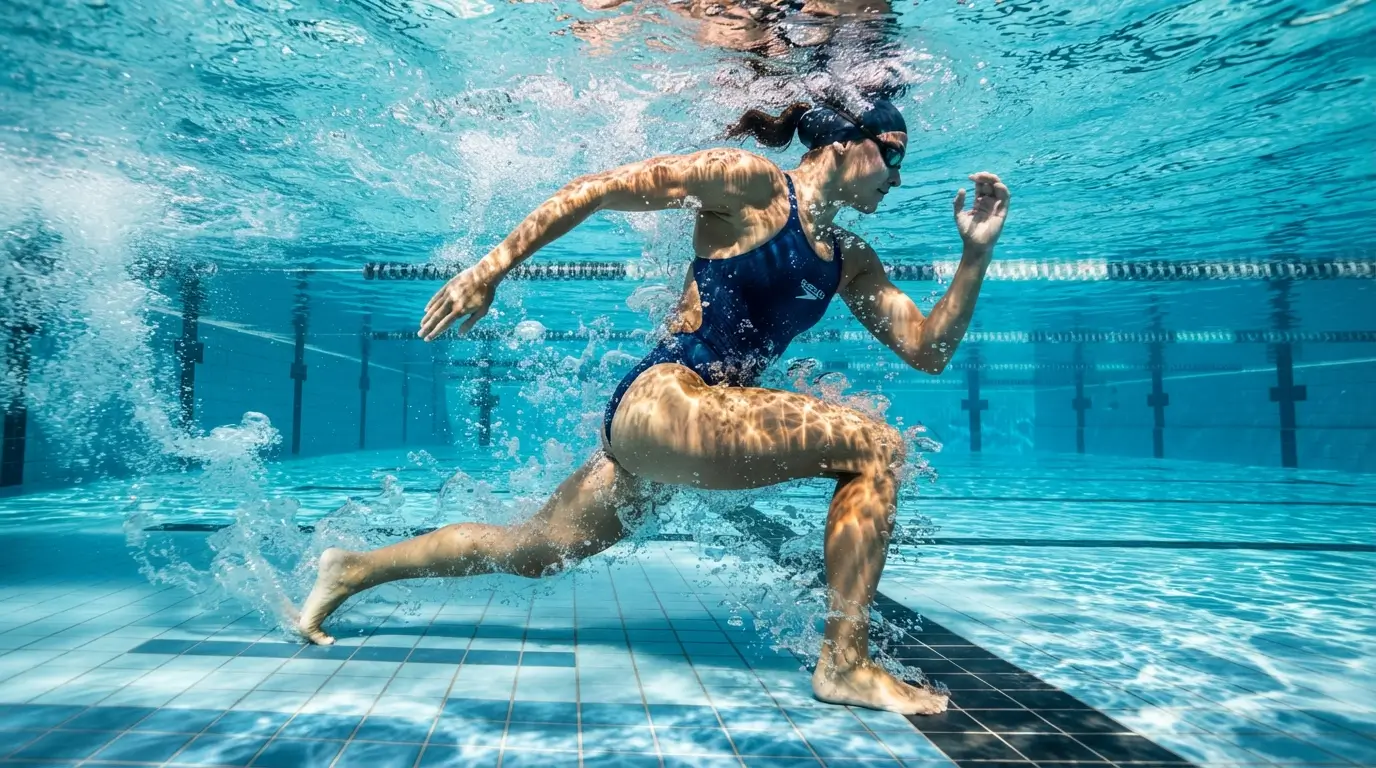
I started doing pool circuits two summers ago after a friend who coaches triathletes recommended them. My typical pool session includes treading water intervals (30 seconds hard, 30 seconds easy for 10 rounds), pool-edge push-ups, flutter kicks while holding the wall, and underwater walking lunges in chest-deep water. It sounds simple, but 20 minutes of this will leave your legs burning and your heart rate elevated.
The real advantage? You can train at noon if you want. The water temperature in most outdoor pools stays around 78 to 82°F even on the hottest days, which is cool enough to prevent overheating. If you have access to a pool, building it into your weekly rotation during peak summer months is one of the smartest moves you can make.
Recognize the Warning Signs and Know When to Stop
No workout routine is truly foolproof if you ignore your body’s signals. Heat-related illness progresses fast, and the early symptoms are easy to dismiss as normal exercise fatigue.
Watch for these red flags:
- Goosebumps or chills despite the heat
- Nausea or a sudden headache
- Confusion or difficulty concentrating
- Stopping sweating despite continued exertion
- Muscle cramps that don’t resolve with stretching
That last one, stopping sweating, is an emergency sign of heat stroke. If that happens, stop immediately, get to shade or air conditioning, and cool your body with cold water or ice. I’ve had to cut workouts short twice because of sudden nausea, and both times I was grateful I listened instead of pushing through.
Also Read: Low Cost Fitness Plans for Winter Home Workouts 2026
A heart rate monitor is worth its weight in gold during hot-weather training. I use a Polar H10 chest strap, and it’s helped me catch sessions where my heart rate was 15 to 20 beats higher than usual for the same effort level. That’s your body screaming that the heat is taxing your system harder than normal. When I see those numbers, I reduce intensity immediately or call it a day.
Dress for the Heat Like It Actually Matters
Your clothing choices affect your body temperature more than most people realize. Cotton is the worst fabric for hot-weather exercise. It absorbs sweat, gets heavy, and traps heat against your skin. Moisture-wicking synthetic fabrics or merino wool blends are far better choices.
I’ve had great results with Nike Dri-FIT shirts and Vuori shorts. Light colors reflect sunlight instead of absorbing it. Loose fits allow airflow. And a good hat with ventilation, like the Outdoor Research Swift Cap, keeps direct sun off your face without turning your head into an oven.
FYI, sunscreen matters for performance too, not just skin protection. Sunburn increases inflammation and makes your body work harder to regulate temperature. Apply SPF 30 or higher about 20 minutes before you head outside, and reapply if you’re sweating heavily.
Frequently Asked Questions
What time of day is safest to exercise in extreme heat?
Early morning between 5:00 and 7:00 a.m. offers the coolest temperatures and lowest UV exposure. Late evening after 7:00 p.m. works too, though retained ground heat can still be a factor. Always check the heat index before heading out, because humidity can make even cooler hours feel brutal on your body.
Can I still build muscle with foolproof workout routines for extreme heat conditions?
Absolutely. Shorter, focused sessions with compound movements and adequate resistance still stimulate muscle growth. The key is maintaining intensity during your work intervals and eating enough protein to support recovery. Many people actually see better results because they stop junk-volume training and focus on quality reps instead.
How much water should I drink before a hot workout?
Aim for 16 to 20 ounces about two hours before training, then another 8 ounces in the 15 minutes before you start. During exercise, shoot for 7 to 10 ounces every 15 to 20 minutes. Add electrolytes if you’re a heavy sweater or training longer than 45 minutes. Your urine color should be light yellow, not clear.
Is it safe to run outside when it’s over 100°F?
It’s possible but risky, especially without proper acclimatization. If you must run, cut your pace by 30 to 45 seconds per mile, choose shaded routes, and carry water with you. IMO, switching to treadmill runs or pool-based cardio is a smarter call on triple-digit days. Your fitness won’t suffer from one indoor session.
How do I know if I’m experiencing heat exhaustion versus normal fatigue?
Normal fatigue feels like tired muscles and heavy breathing that improve with rest. Heat exhaustion brings nausea, dizziness, excessive sweating, cold or clammy skin, and a rapid weak pulse. If rest, shade, and cool water don’t improve symptoms within 15 minutes, seek medical attention immediately. It can progress to heat stroke fast.
Should I take rest days more often during heat waves?
Yes. Heat adds cumulative stress to your body, so recovery takes longer. Adding one extra rest day per week during extreme heat periods helps your body adapt without breaking down. Focus on sleep quality too, since hot nights disrupt recovery. A cool sleeping environment makes a bigger difference than most people expect.
Conclusion
Training through extreme heat has taught me more about listening to my body than any other fitness challenge. The routines that work aren’t fancy or complicated. They’re just built with respect for what heat does to your system. What’s the hottest temperature you’ve ever pushed through a workout in?