




The best mornings I’ve ever had started with dirt under my boots, cold air in my lungs, and a workout that made the campfire coffee taste ten times better. Finding the top outdoor fitness programs for camping enthusiasts changed everything about how I experience the backcountry. It stopped being just about hiking the trail. It became about showing up to the trail stronger, faster, and honestly a lot happier than I used to be.
1. GORUCK Training Programs
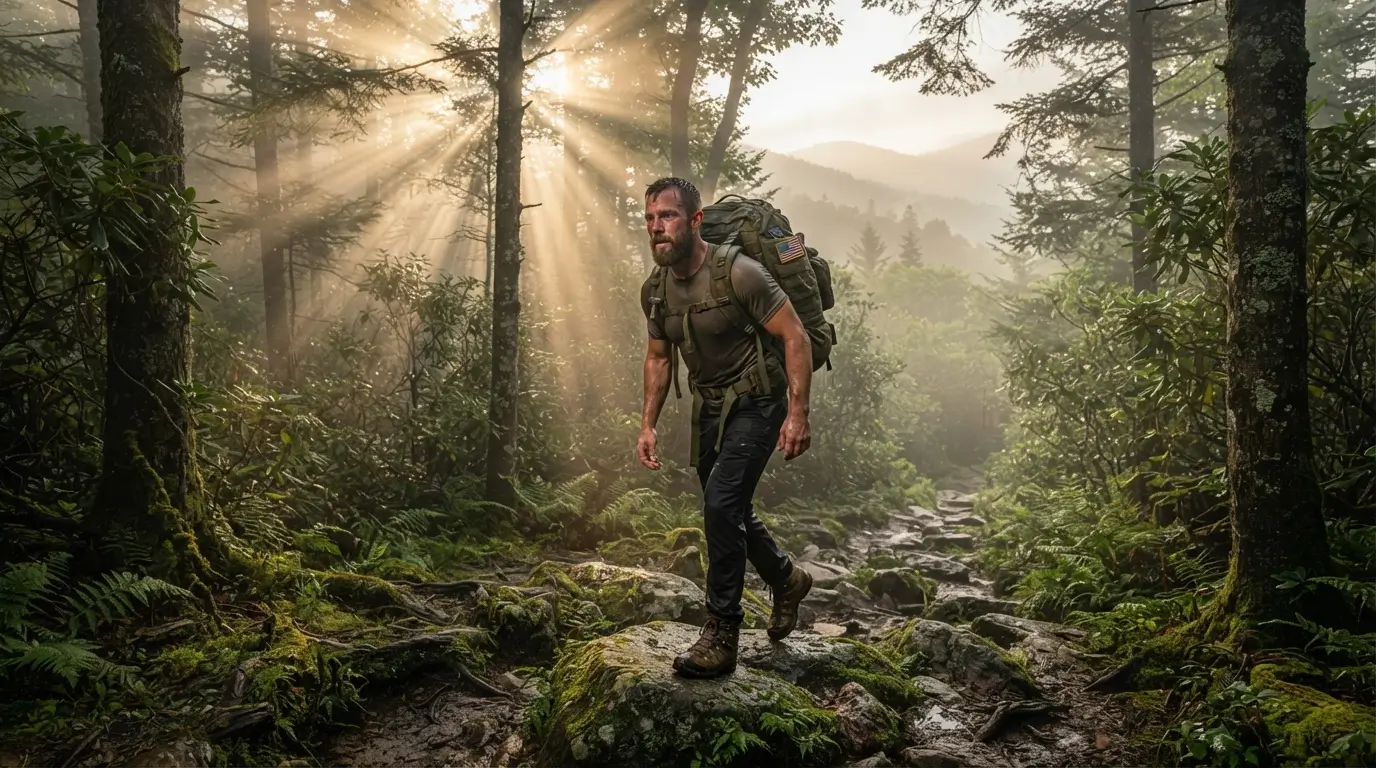
GORUCK built its reputation on rucking, basically walking or hiking with a weighted backpack. Their training programs translate perfectly to camp life because you already have a loaded pack.
Their free resources and structured challenges push you to build endurance over weeks. I followed their 12-week ruck training plan before a 5-day trip in the Smokies last fall, and the difference was night and day. My legs didn’t turn to jelly on day three. The programs scale well too, whether you’re carrying 20 pounds or 45.
2. Freeletics Bodyweight Workouts
No equipment. No gym. No excuses. Freeletics runs entirely on bodyweight movements, which makes it perfect when your “gym” is a clearing next to your tent.
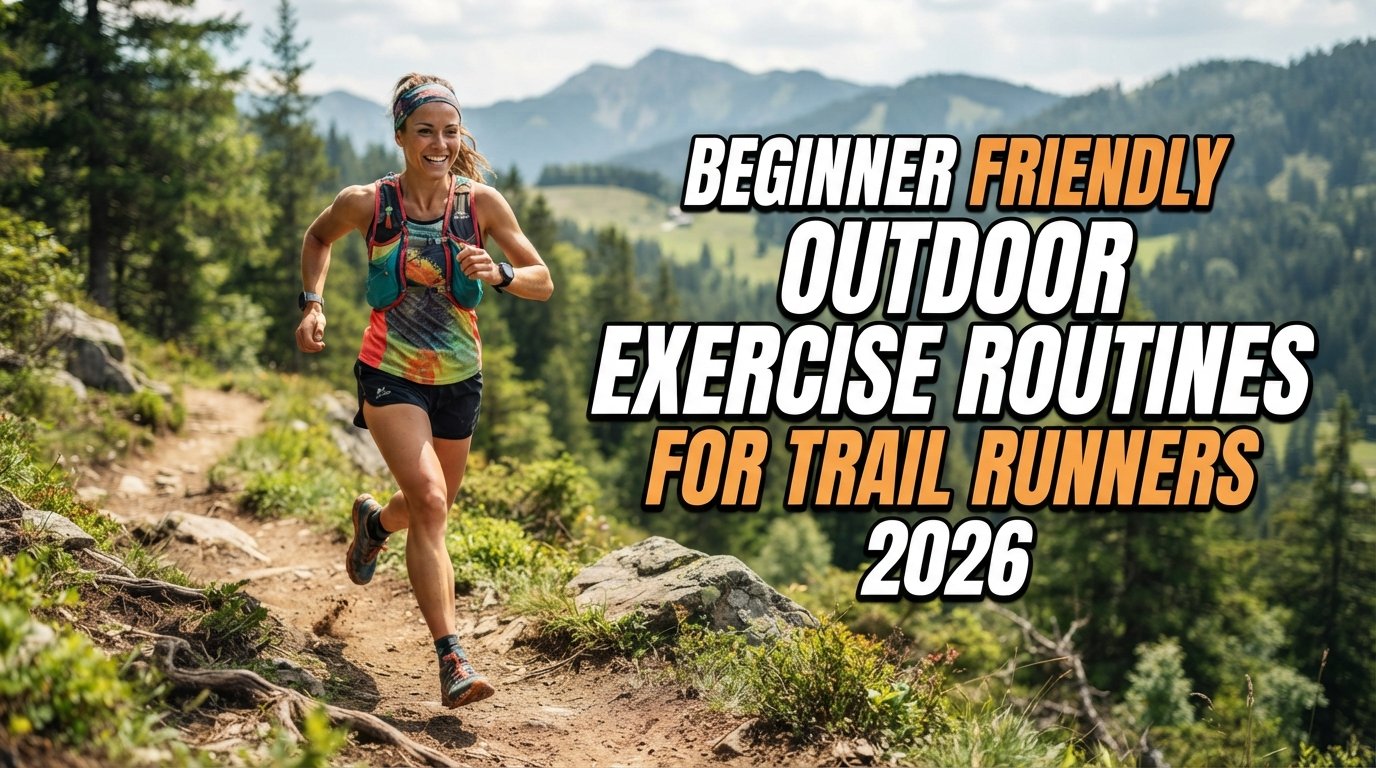
Also Read: Best Winter Workout Plans for Cold Climate Residents 2026
The app gives you AI-coached workouts that adapt based on your feedback after each session. I’ve done their HIIT circuits on a flat rock overlooking a lake in Colorado, and honestly, no gym view has ever come close. Sessions run 15 to 30 minutes, so you still have plenty of daylight for actual camping. The free version works fine, but the paid Coach feature is worth it if you stick with it for more than a month.
3. Mountain Athlete by Rob Shaul
If you want a program built specifically for people who perform in the mountains, Mountain Athlete is the real deal. Rob Shaul designed these plans for military operators, wildland firefighters, and serious backcountry athletes.
Their “Big Mountain” and “Backpacking Pre-Season” plans target exactly the kind of fitness you need on steep trails with heavy loads. I ran their six-week preseason program before a Wind River Range trip, and I genuinely felt like I had a different body on the trail. It’s not cheap at around $79 for individual plans, but the programming is specific, tested, and brutally effective.
4. Yoga with Adriene (YouTube)
This might surprise you on a list of top outdoor fitness programs for camping enthusiasts, but hear me out. After a 12-mile day with 3,000 feet of elevation gain, your body is screaming for recovery.
Adriene’s shorter sessions, especially her “Yoga for Hikers” and “Yoga for Sore Muscles” videos, are genuinely perfect for campsite cooldowns. I download them offline before trips and follow along on my sleeping pad. Twenty minutes of stretching under pine trees keeps you mobile for the next day. Skipping recovery is how you blow out a knee on day four. Don’t be that person.
5. TRX Suspension Training
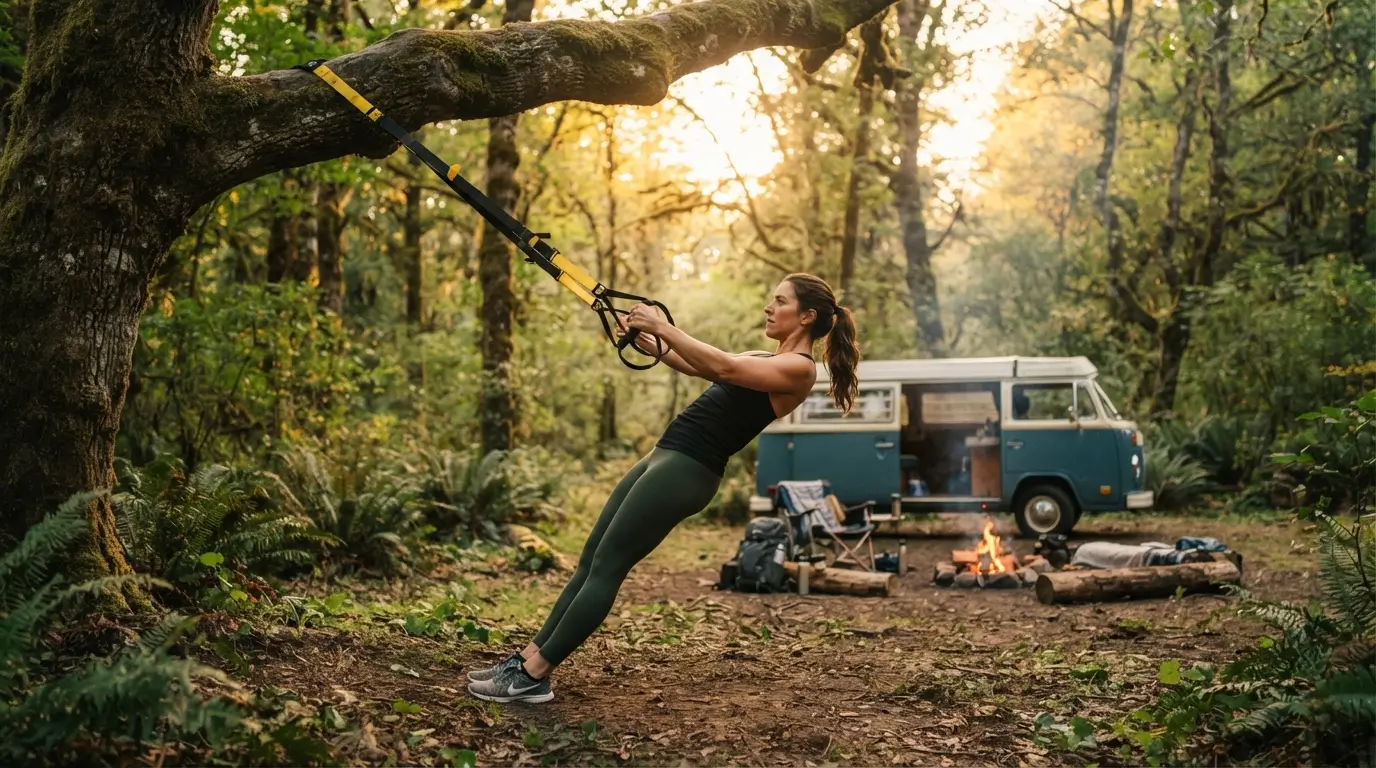
A TRX strap weighs about two pounds and fits in any pack. Throw it over a sturdy tree branch, and you’ve got a full gym that works your core, legs, shoulders, and back.
TRX offers a solid app with guided workouts sorted by goal and duration. I bring mine on every car camping trip and most backpacking trips where weight isn’t ultra-critical. Rows, squats, pistol squats, chest presses, all from one strap. The versatility is unreal. Just make sure you pick a branch that can handle your weight, because falling face-first into the dirt is only funny for everyone else.
6. Fitbod (App-Based Adaptive Training)
Fitbod stands out because it adjusts workouts based on what equipment you actually have with you. Tell it you’ve got a resistance band and a kettlebell, and it builds a session around exactly that.
I used Fitbod during a two-week camping stint along the Oregon coast when I had a small set of gear in the truck. The app tracked muscle group recovery and made sure I wasn’t overworking anything, which matters a lot when you’re also paddling, hiking, or hauling firewood. It costs about $12.99 per month, and it’s one of the few fitness apps that actually gets smarter the more you use it.
7. Spartan SGX Training
Spartan Race isn’t just about the races themselves. Their SGX-certified coaching methodology focuses on functional outdoor fitness, the kind that makes you better at climbing, crawling, carrying, and moving over rough terrain.
Many SGX coaches run outdoor group sessions, and Spartan also offers digital workout plans through their app. I joined an SGX group in Asheville before a race season, and the carryover to my camping fitness was massive. Tire flips, sandbag carries, bear crawls up hills, all of it translates directly to real trail demands. You also meet some seriously motivated people who probably camp as much as you do.
8. Darebee No-Equipment Programs
Darebee is completely free, community-supported, and packed with printable workout programs you can literally fold up and stick in your pocket. No phone battery needed.
Their “Basecamp” and “Pathfinder” programs feel like they were designed for campers. Each session uses bodyweight movements and takes around 20 to 30 minutes. I printed the Pathfinder program on waterproof paper for a solo trip into the Boundary Waters, and it kept me moving every morning without touching my phone. The site also has challenges, stretching routines, and meal plans. All free. It’s honestly one of the most generous fitness resources on the internet.
9. Peloton Outdoor Running and Strength
You don’t need the bike. Peloton’s app includes outdoor running classes and bodyweight strength sessions that work beautifully in a campsite setting.
Their outdoor audio runs are coached, motivating, and designed for real terrain, not treadmills. I popped in earbuds and ran a coached trail run along a forest road in the Ozarks, and the instructor’s cues actually helped me manage my effort on the hills. The strength classes range from 10 to 30 minutes, require minimal space, and cover everything from core to full-body circuits. The app membership runs $12.99 per month without needing any Peloton equipment.
10. MovNat Natural Movement Training
MovNat teaches you to move the way humans were designed to move: climbing, jumping, balancing, lifting, swimming, and crawling through natural environments. It’s basically a fitness philosophy that treats the outdoors as the gym.
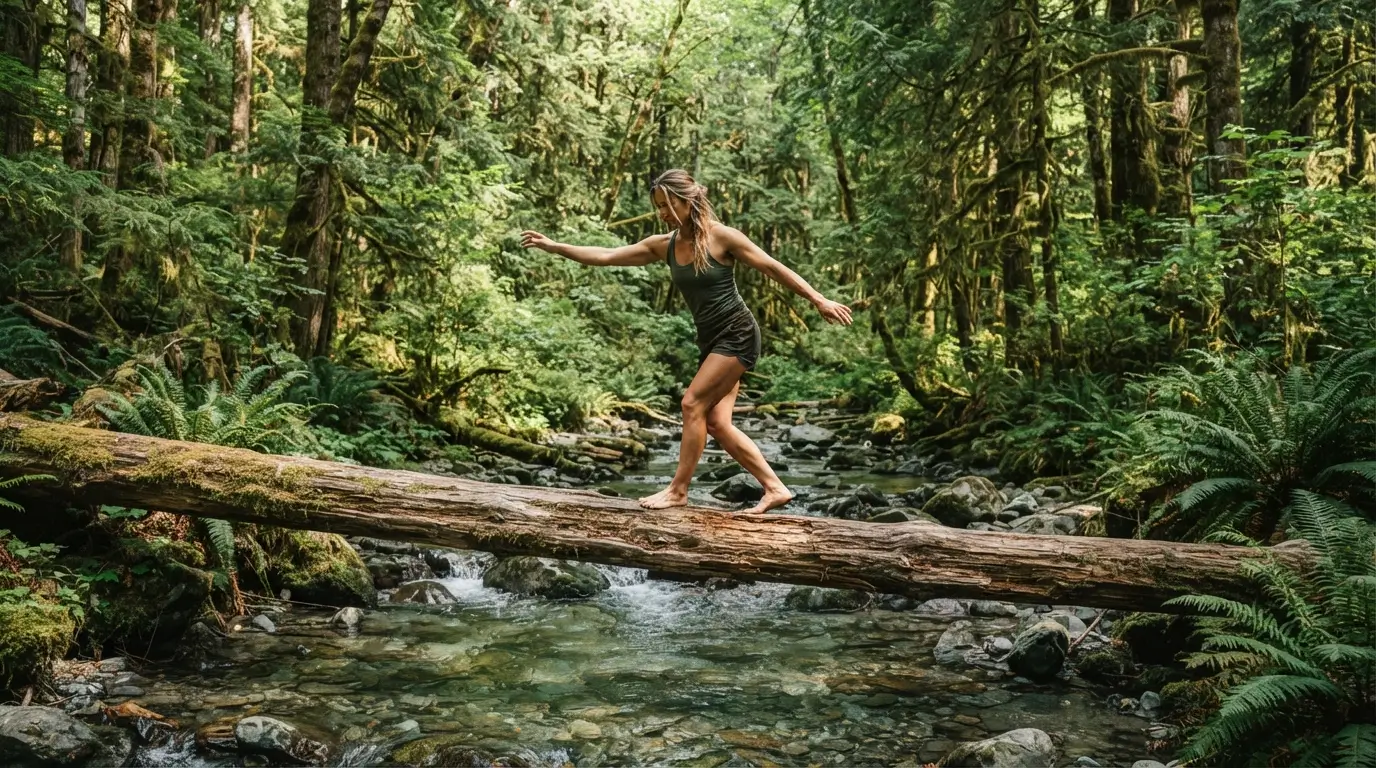
I took a weekend MovNat workshop, and it completely rewired how I think about movement at camp. Balancing on logs, carrying rocks, crawling under branches, it all counts. Their online courses and certification programs go deep, but even their free YouTube content gives you enough to build camp-friendly movement sessions. For camping enthusiasts who find traditional workouts boring, this one feels like play instead of work.
How to Pick the Right Program for Your Camping Style
Not every program fits every camper. If you’re a minimalist backpacker shaving ounces, bodyweight-only options like Freeletics, Darebee, or Yoga with Adriene make the most sense. Car campers have more flexibility and can pack TRX straps, kettlebells, or resistance bands.
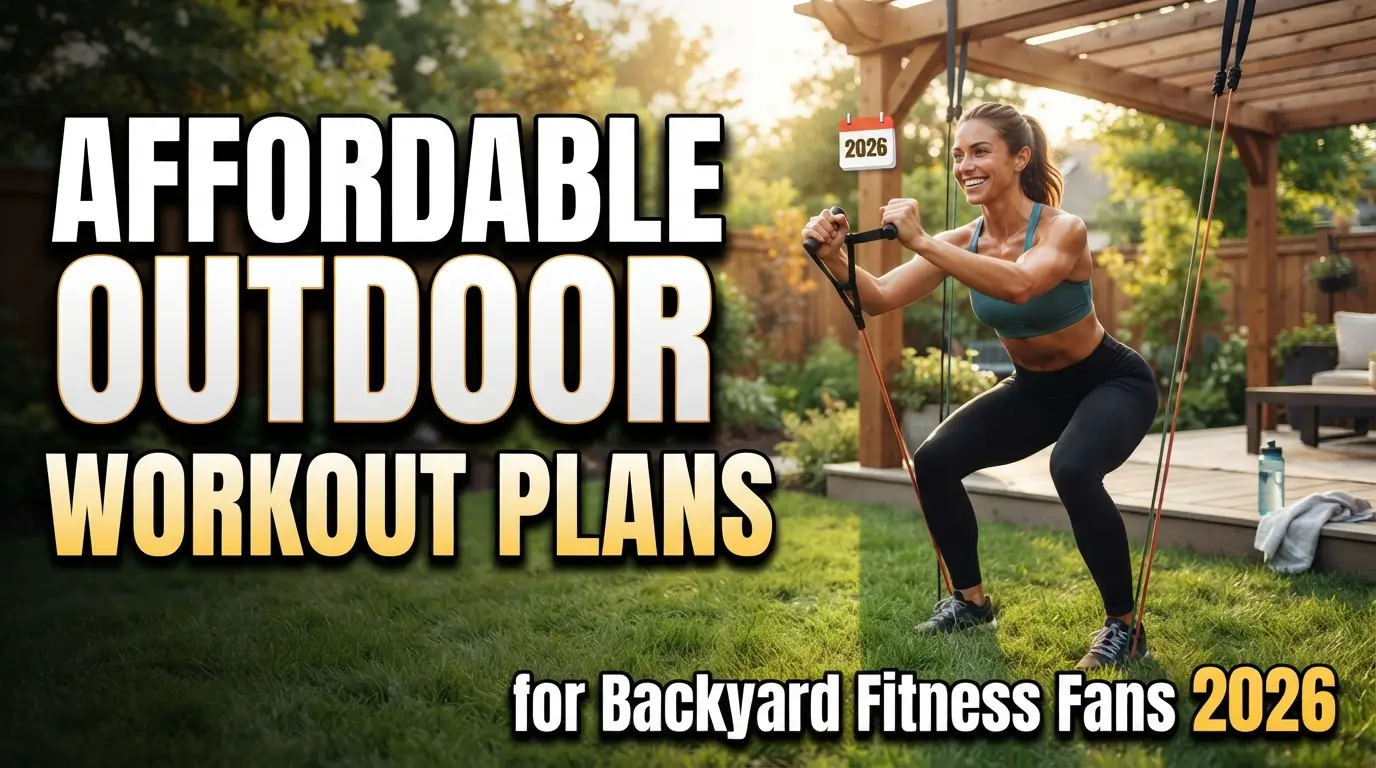
Also Rea: Affordable Outdoor Workout Plans for Backyard Fitness 2026
Think about your goals too. Building trail endurance? Mountain Athlete and GORUCK focus heavily on that. Want recovery and mobility? Yoga with Adriene and MovNat cover that ground. Trying to maintain general strength during extended trips? Fitbod and Peloton adapt to whatever gear and time you have.
The best program is the one you’ll actually do at 6 AM when it’s cold and your sleeping bag is calling your name. IMO, that usually means keeping it short, specific, and genuinely enjoyable.
Frequently Asked Questions
What are the best outdoor fitness programs you can do while camping?
The best ones depend on your setup. For backpackers, bodyweight programs like Freeletics and Darebee work great since they need zero gear. Car campers can add TRX or Fitbod with portable equipment. Mountain Athlete is the gold standard if your camping involves serious backcountry hiking with heavy loads.
Do I need cell service or WiFi for app-based fitness programs at camp?
Most fitness apps let you download workouts for offline use. Peloton, Freeletics, and Fitbod all support offline mode. I always download sessions the night before I leave. Darebee’s printable programs skip the phone entirely, which is a smart backup when you’re deep in a dead zone.
How long should a campsite workout be?
Fifteen to thirty minutes hits the sweet spot. You’re already burning calories hiking, paddling, and setting up camp. A short focused session boosts strength and mobility without wiping you out for the day’s adventures. Going longer than 30 minutes usually means you’re cutting into the reason you came camping in the first place.
Can outdoor fitness programs for camping enthusiasts actually improve my hiking performance?
Absolutely. Programs like Mountain Athlete and GORUCK target the exact muscle groups and energy systems you use on the trail. I noticed significant improvements in uphill endurance and pack-carrying comfort after just six weeks of structured training. Consistency matters more than intensity.
Is it safe to work out at a campsite?
Mostly yes, with common sense. Clear your area of rocks and roots. Warm up properly since cold morning muscles are injury-prone. Stay hydrated, especially at altitude. And if you’re in bear country, skip the fish oil supplements and wipe down any sweaty gear, because bears are curious and you don’t want that kind of workout partner.
Conclusion
The right fitness program turns camping from something you survive into something you thrive at. Pick one that matches your gear, your goals, and honestly your personality, then give it a real shot on your next trip. Which of these programs are you most tempted to try first?