








If you’ve ever been passed on a trail by someone twice your age carrying a bigger pack, you already know why simple hiking fitness plans for weekend nature lovers matter so much. That humbling moment on a steep switchback, legs burning, lungs screaming, is enough to make anyone rethink their Monday-through-Friday routine. The good news? You don’t need a gym membership or two-hour workouts. You just need a smart, realistic plan that fits your actual life.
Why Most Fitness Plans Fail Weekend Hikers
Traditional workout programs assume you have five or six days a week to train. That’s great for competitive athletes, but it’s completely unrealistic for people who work full-time jobs and save their outdoor time for Saturday and Sunday mornings. You don’t need a bodybuilder’s schedule. You need a plan built around your real week.
Also Read: Top Outdoor Fitness Programs for Camping Enthusiasts 2026
The biggest mistake I made early on was following a generic strength program from a fitness magazine. I was doing chest presses and bicep curls four days a week, and I still got winded on moderate inclines. Hiking uses your legs, core, glutes, and cardiovascular system in very specific ways. If your training doesn’t reflect that, you’re basically studying for the wrong test. Simple hiking fitness plans for weekend nature lovers should focus on functional movements, not mirror muscles.
Building Your Weekly Training Framework
Here’s what actually works when you only have three to four short sessions during the week, plus your weekend hike. I’ve been following a version of this for about two years now, and the difference on the trail is night and day.
Tuesday is lower body strength day. Squats, lunges, step-ups, and glute bridges. You can do all of this in your living room with a pair of dumbbells or even just bodyweight. Thirty minutes is plenty.
Wednesday is active recovery. A 20-minute walk, some yoga, or just foam rolling while watching TV. Your body needs this more than you think, especially if you sit at a desk all day.
Thursday is cardio and core. I do 20 minutes on a stair climber at my local gym or just walk up and down the stairs in my apartment building. Then I finish with planks, dead bugs, and bird dogs for another 10 minutes. This combo mimics what your body actually does on a trail.
Saturday or Sunday is your hike. That’s the whole point, right? Your weekday training feeds directly into this.
The Three Exercises That Changed My Trail Performance
Not all exercises are created equal when it comes to hiking. After a lot of trial and error, three movements stand out above everything else.
Step-ups are the single best thing you can do for hiking fitness. Grab a sturdy bench or a plyo box (even a staircase works), hold some weight if you have it, and step up with control. This directly trains the motion of climbing uphill. Three sets of 12 per leg, twice a week, will change your life on inclines.
Bulgarian split squats are brutal, but they build single-leg strength and balance that flat-ground squats simply can’t match. I hated these for the first month. Now I notice the payoff every time I’m navigating rocky terrain.
Farmer’s walks round things out. Grab the heaviest dumbbells you can handle and walk for 30 to 40 meters. This strengthens your grip, shoulders, and core, which is exactly what carrying a daypack demands. If you use trekking poles, you’ll feel the difference in your stability too.
Simple Hiking Fitness Plans for Weekend Nature Lovers Who Hate Gyms
I get it. Gyms feel like the opposite of why you hike in the first place. You want fresh air and trees, not fluorescent lighting and cable machines. The good news is that every part of this plan works outdoors or at home.
A local park with a hill is your best training ground. Walk briskly uphill, jog back down, repeat for 20 minutes. That’s better than any treadmill session. Bodyweight squats and lunges in your backyard take 15 minutes. A heavy backpack filled with books can replace dumbbells for farmer’s walks and step-ups.
IMO, the best fitness plan is one you’ll actually stick with. If driving to a gym after work kills your motivation, don’t do it. Set up a corner of your garage with a yoga mat, a kettlebell, and a foam roller. That’s genuinely all you need.
Getting Your Cardio Base Right Without Overtraining
Weekend hikers often make the mistake of going too hard on cardio during the week and showing up on Saturday with tired legs. Your cardio sessions should complement your hikes, not compete with them.
Zone 2 cardio is your best friend here. That means keeping your heart rate low enough that you can hold a conversation. For most people, that’s a brisk walk or an easy bike ride. Two sessions of 25 to 30 minutes during the week is perfect. You’re building aerobic capacity without torching your recovery.
I used a Garmin Forerunner 55 to track my heart rate zones, and it was eye-opening. What I thought was “easy” cardio was actually pushing me into Zone 3 and 4 regularly. Once I slowed down and trained at the right intensity, my endurance on long hikes improved faster than it had in months. A simple chest strap heart rate monitor works too if you don’t want a full smartwatch.
Stretching and Mobility: The Part Everyone Skips
You can be strong and have great cardio, but if your hips and ankles are tight, you’ll still struggle on uneven ground. Five minutes of mobility work after every session pays dividends.
Focus on hip flexor stretches, ankle circles, and deep bodyweight squats where you hold the bottom position for 30 seconds. Your IT band probably needs attention too, especially if your knees bark at you on downhill sections. A foam roller on your outer thigh for two minutes per side helps more than any ibuprofen.
I started adding a 10-minute yoga flow on rest days using the Down Dog app (the free version works fine), and my trail recovery improved dramatically. I used to be stiff for two days after a long hike. Now I bounce back by Monday morning.
Nutrition Tips That Actually Matter for Weekend Hikers
You don’t need a strict meal plan, but a few smart habits make a real difference. Eating a solid meal with carbs and protein the night before a hike fuels your muscles for the next morning. Think rice and chicken, pasta with ground turkey, or even a big bowl of oatmeal with peanut butter.
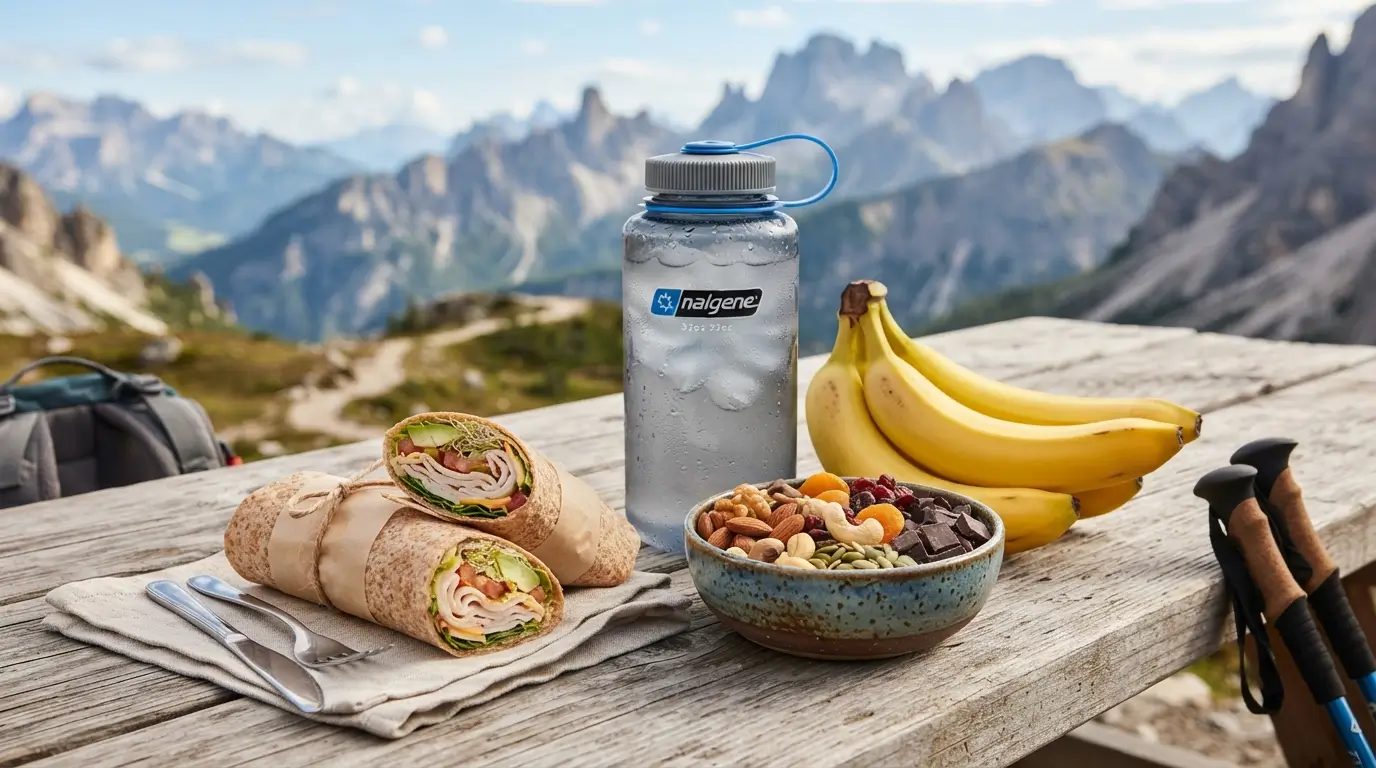
On the trail, real food beats most commercial energy gels. Trail mix, a banana, a turkey and cheese wrap rolled in a tortilla. These keep your energy steady without the sugar crash. Hydration matters more than most people realize. I carry a Nalgene bottle and aim for at least a liter every two hours on warm days. Electrolyte tabs from Nuun or LMNT in your water help if you’re sweating heavily.
After the hike, get protein in within an hour or so. A protein shake, some Greek yogurt, or just your normal lunch. This helps your muscles recover for your weekday training sessions.
Tracking Progress Without Obsessing Over Numbers
You don’t need a spreadsheet. But paying attention to a few key markers keeps you motivated and honest about your fitness.
Notice how you feel at the top of a hill you’ve hiked before. Are you less winded? Can you keep talking to your hiking buddy? That’s real progress. Track the elevation gain on your weekend hikes using AllTrails or a GPS watch and see if you’re handling more vertical without extra fatigue.
Also Read: Beginner Friendly Outdoor Exercise Routines for Trail Runners 2026
I keep a simple note on my phone: date, trail name, how I felt on a scale of 1 to 5. After a few months, the pattern is obvious and incredibly motivating. You don’t need fancy metrics. Just honest reflection.
Frequently Asked Questions
How many days a week should I train for hiking?
Three weekday sessions plus your weekend hike is the sweet spot for most people. Two strength-focused days and one cardio day keep you progressing without burning out. Rest days matter just as much as training days, so don’t feel guilty about taking them. Consistency beats intensity every single time.
Can simple hiking fitness plans for weekend nature lovers work without equipment?
Absolutely. Bodyweight squats, lunges, step-ups on stairs, and brisk uphill walks cover the essentials. A loaded backpack adds resistance for free. I trained equipment-free for my first six months and still saw huge improvements on the trail. Dumbbells or a kettlebell are nice additions but completely optional.
How long before I notice a difference on the trail?
Most people feel a noticeable change within three to four weeks of consistent training. Your legs won’t burn as fast on climbs, and your breathing stays more controlled. After two months, the difference is hard to ignore. FYI, the mental boost often shows up even sooner than the physical one.
Should I do long runs to prepare for hiking?
Not necessarily. Hiking demands sustained, low-intensity effort, not running speed. Brisk walking on inclines and stair climbing transfer more directly to trail performance than flat road running. If you enjoy running, keep it short and easy. Long runs can actually leave your legs too fatigued for your weekend hike.
What’s the best way to train for downhill hiking?
Eccentric exercises like slow negative lunges and controlled step-downs build the quad strength you need for descents. Walk downhill on a treadmill set at a steep decline, or find a local hill and practice walking down with control. Your knees will thank you. Most people only train for going up and forget that coming down is where injuries happen.
Conclusion
Getting trail-ready doesn’t require a radical life overhaul. A few targeted weekday sessions, smart recovery habits, and honest self-awareness about your progress will carry you further than any complicated program. The trail is waiting for you every weekend, so why not show up feeling like you actually belong there?