







When I first searched for the top rated fitness routines for stress relief seekers, I was running on caffeine, three hours of sleep, and a jaw so clenched my dentist asked if I was okay. Stress had taken over everything. My shoulders lived next to my ears. I tried meditation apps, breathing exercises, herbal teas. Nothing stuck until I started moving my body with real intention. These are the routines that genuinely pulled me back from the edge, and I think they can do the same for you.
1. Yoga Flow for Tension Release
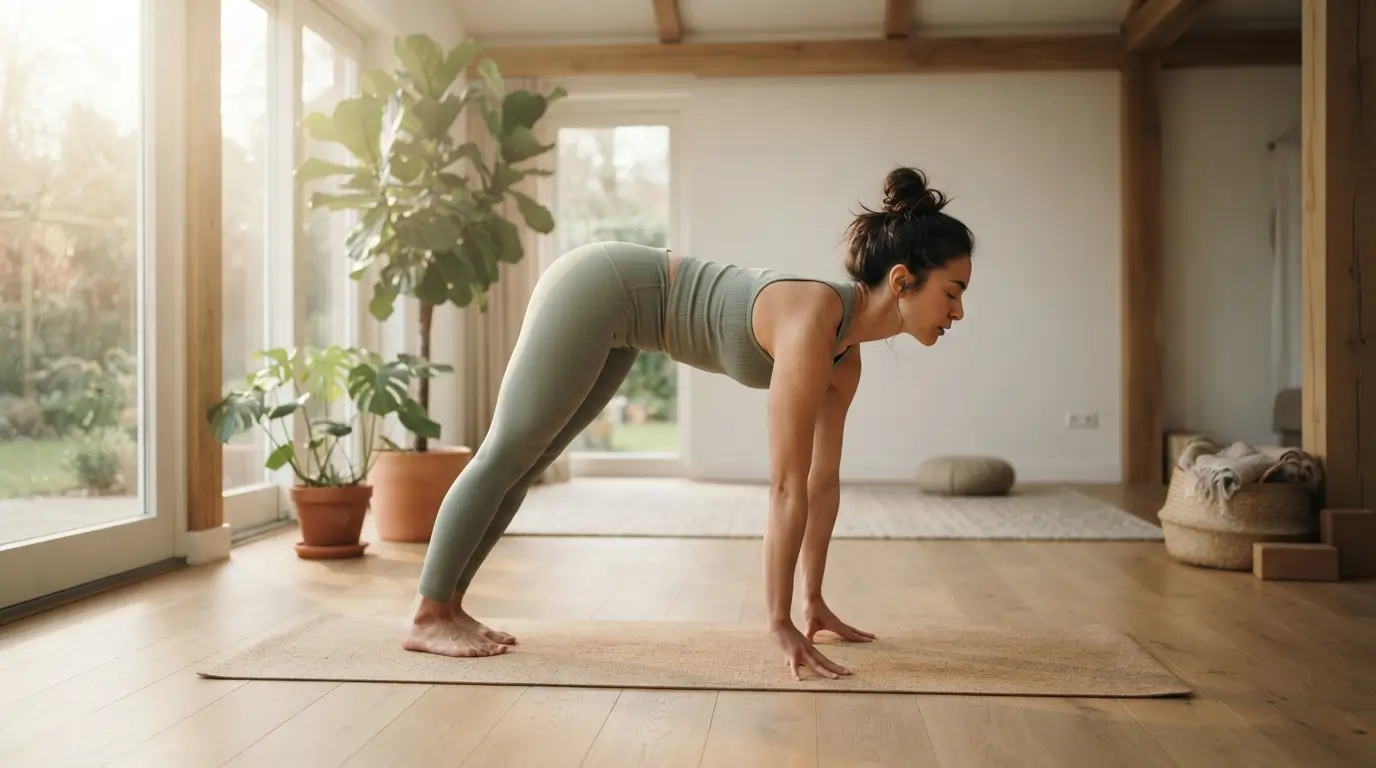
Yoga isn’t just stretching in fancy pants. A solid vinyasa flow forces you to sync your breath with movement, and that combination is basically a reset button for your nervous system. I started with Yoga With Adriene on YouTube because it felt approachable, not intimidating.
What surprised me was how quickly the effects showed up. After two weeks of 20-minute sessions, I stopped grinding my teeth at night. The key is consistency over intensity. You don’t need to hold a headstand. A simple sun salutation sequence done five mornings a week will do more for your cortisol levels than one brutal hot yoga class on Saturday. I keep a cheap yoga mat from Amazon Basics rolled out in my living room so I never have an excuse to skip.
2. Walking, the Most Underrated Stress Killer
Nobody talks about walking because it doesn’t sell programs or equipment. But a 30-minute brisk walk outdoors lowered my resting heart rate by six beats per minute within a month. That’s not nothing. Your body physically calms down when you walk at a steady pace, especially outside where natural light helps regulate your circadian rhythm.
Also Read: Beginner Friendly Fitness Programs for Burnout Recovery Workers 2026
I walk every morning before I check my phone. That part matters. The second I scroll through emails, my stress hormones spike, and the walk becomes damage control instead of prevention. If you have access to a park, a trail, or even a quiet neighborhood street, use it. Throw on a podcast or just listen to birds. Both work. IMO, walking is the single most accessible stress relief routine that people keep overlooking because it feels too simple.
3. Swimming for Full-Body Calm
There’s something about being in water that strips away mental noise. Swimming engages your entire body without the joint impact of running, and the rhythmic breathing pattern mimics what therapists teach in anxiety management sessions. I joined my local YMCA specifically for pool access, and it was the best $45 a month I’ve ever spent.
Freestyle laps at a moderate pace for 25 to 30 minutes put me in a state that felt almost meditative. The water blocks out sound, your phone isn’t nearby, and you literally cannot multitask. For stress relief seekers who struggle to quiet their brain, swimming removes every distraction by design. Start with two sessions per week. You’ll sleep better almost immediately.
4. Strength Training with Controlled Breathing
Lifting weights might seem like the opposite of calming, but hear me out. When you pair moderate resistance training with intentional breathing patterns, exhaling on exertion and inhaling on release, you activate your parasympathetic nervous system while building strength. It’s a two-for-one deal.
I use a simple three-day split: push, pull, legs. Nothing fancy. Dumbbells at home, maybe a resistance band. The routine takes 35 minutes, and I focus on slow, controlled reps rather than maxing out. Programs like the GZCLP template or Caroline Girvan’s free YouTube series work great for beginners who want structure without needing a personal trainer. The post-workout calm is real. My anxiety drops noticeably for hours after a session, and the physical confidence that comes from getting stronger doesn’t hurt either.
5. Tai Chi for People Who Think They Can’t Meditate
Tai chi looked weird to me at first. Slow movements in a park? Hard pass. Then my therapist recommended it specifically for stress, and I gave it an honest shot using a beginner series from the Tai Chi Foundation’s online classes. Within a week, I understood the hype.
The slow, flowing movements demand just enough concentration to keep your mind from spiraling, but not so much that you feel overwhelmed. It’s like meditation that gives your body something to do. Studies from Harvard Medical School back this up, showing tai chi reduces stress biomarkers as effectively as more intense exercise. I practice for 15 minutes before bed, and it has completely replaced the scrolling habit that used to keep me up until 1 AM. If sitting still feels impossible when you’re stressed, tai chi meets you exactly where you are.
6. Dance Workouts That Don’t Feel Like Exercise
Stress makes everything feel heavy. Dance workouts flip that script. I stumbled onto The Fitness Marshall on YouTube during a particularly rough week and ended up laughing through an entire cardio session. That combination of movement, music, and genuine fun releases endorphins faster than almost anything else I’ve tried.
The beauty of dance-based fitness is that perfection doesn’t matter at all. Nobody is watching. You’re in your living room looking ridiculous, and that’s exactly the point. Platforms like 305 Fitness offer live virtual classes if you want community energy, or you can just throw on a playlist and freestyle for 20 minutes. Among the top rated fitness routines for stress relief seekers, dance consistently ranks high because it targets emotional stress, not just physical tension.
7. Boxing and Kickboxing for Stress You Can’t Talk Through
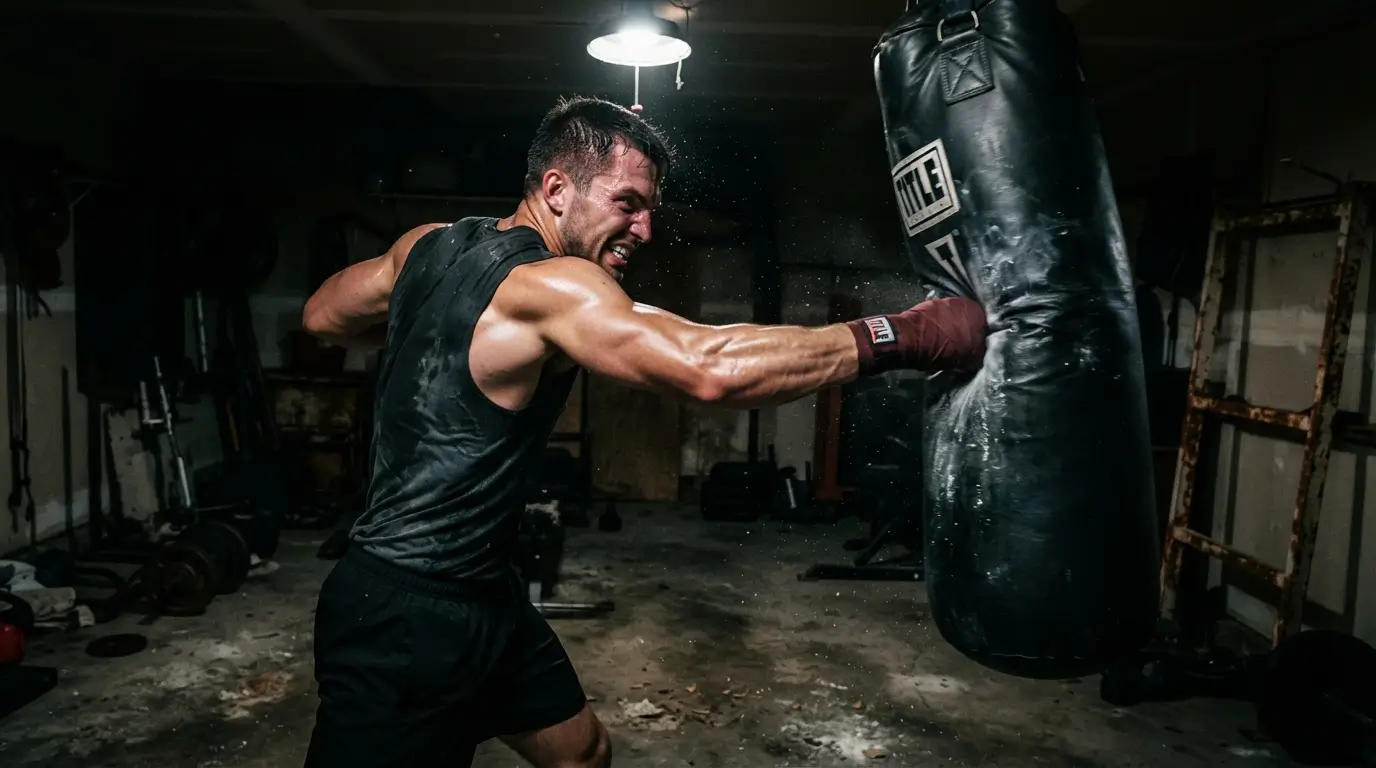
Some stress needs to be physically released. There’s no gentle way around it. Boxing gave me permission to channel frustration into something productive instead of letting it eat me alive. I started with a heavy bag in my garage and a pair of Everlast gloves that cost $30.
Three-minute rounds with 30-second rest intervals. That format keeps your focus sharp and your mind completely occupied. You cannot throw a proper jab while worrying about your inbox. Apps like FightCamp offer structured home programs if you want guidance, though even shadowboxing to a timer works. The physical exhaustion after a 25-minute boxing session is the kind of tired that actually feels good, the kind where your muscles are spent and your brain finally shuts up for a while.
8. Pilates for Core Strength and Nervous System Support
Pilates builds strength from the inside out, and that focus on deep core engagement naturally encourages slow, controlled breathing. I use a reformer at a local studio twice a week, but mat Pilates at home with a YouTube instructor like Move With Nicole delivers similar stress relief benefits.
What makes Pilates especially effective for stress is the precision it demands. Every movement is deliberate. You can’t rush through it or zone out. That forced presence pulls you out of anxious thought loops in a way that feels earned rather than forced. Sessions run 30 to 45 minutes, and the soreness the next day reminds you that you actually did something for yourself, which honestly matters more than most people realize.
How to Build a Stress Relief Fitness Routine That Sticks
Picking a workout is the easy part. The hard part is showing up consistently when stress makes you want to cancel everything and lie on the couch. Here’s what actually helped me stick with it.
First, I scheduled workouts like appointments. They went on my Google Calendar with reminders. Treating movement as optional meant it never happened during high-stress weeks, which are exactly the weeks I needed it most.
Second, I rotated between two or three styles instead of committing to just one. Monday yoga, Wednesday strength, Friday walking. Variety prevented boredom and gave my body different kinds of relief. Some days I needed to punch something. Other days I needed to flow through gentle stretches. Listening to what my stress actually required on a given day made all the difference.
Also Read: Budget Friendly Workout Routines for Mental Health 2026
Third, I kept the bar low. Fifteen minutes counts. Twenty minutes counts. The goal is regulation, not transformation. You’re not training for a competition. You’re trying to feel like a functional human being, and that starts with just showing up.
Frequently Asked Questions
Which fitness routines work fastest for stress relief?
Walking and dance workouts tend to produce the quickest mood shifts because they combine movement with either outdoor exposure or music. Most people notice a difference after a single 20-minute session. The effects compound over time, but even your first workout should leave you feeling noticeably lighter and more mentally clear.
How often should stress relief seekers exercise each week?
Three to five sessions per week hits the sweet spot for most people. You don’t need to go hard every day. Two moderate sessions and one gentle session like yoga or walking can be enough to keep cortisol levels in check and improve sleep quality within the first couple of weeks.
Can strength training actually reduce anxiety?
Absolutely. Research published in JAMA Psychiatry found that resistance training significantly reduces anxiety symptoms. The key is moderate intensity with controlled breathing. You’re not trying to hit personal records. Slow, deliberate lifting calms your nervous system while building physical resilience over time.
What are the top rated fitness routines for stress relief seekers who hate gyms?
Home-based yoga, walking outdoors, bodyweight Pilates, and dance workouts all require zero gym access. YouTube channels like Yoga With Adriene, The Fitness Marshall, and Move With Nicole offer completely free programs. A yoga mat and a pair of sneakers are genuinely the only equipment you need to get started.
Is it better to work out in the morning or evening for stress relief?
Morning workouts tend to set a calmer tone for the entire day by front-loading endorphin release. Evening workouts like tai chi or gentle yoga can improve sleep quality. Experiment with both and notice which timing leaves you feeling most balanced. There’s no universal right answer here.
Conclusion
Stress won’t fix itself, but the right movement practice can change how your body and brain handle it day after day. Pick one routine from this list, try it for two weeks, and pay attention to how you feel. What’s the one workout that always brings you back to center?