







I spent two years dragging through foggy mornings and restless nights before I stumbled onto easy workout plans for improving sleep and mood that finally broke the cycle. No gym membership. No 5 AM alarms. No complicated routines that made me quit after a week. Just simple, realistic movement that rewired how I slept and how I felt during the day. If you’re exhausted and irritable and wondering whether exercise even works for this stuff, I was you.
1. The 20-Minute Evening Walk That Fixed My Insomnia
I know walking sounds boring. I thought so too. But a consistent 20-minute walk after dinner became the single most effective thing I did for my sleep quality. Research from the European Journal of Sport Science backs this up: moderate evening walks lower cortisol levels and help your body temperature drop gradually, which signals your brain that bedtime is approaching.
I started walking around my neighborhood at 7:30 PM, no headphones for the first week, just letting my brain decompress. Within five days, I noticed I was falling asleep about 15 minutes faster. By week three, I stopped waking up at 3 AM staring at the ceiling. The key is consistency over intensity. You don’t need to power walk or hit 10,000 steps. Just move at a pace that feels comfortable, breathe through your nose, and let the day drain out of you. My dog loves it too, which honestly keeps me accountable more than any fitness app ever could.

2. Gentle Morning Yoga for Mood Regulation
My therapist suggested yoga before I was ready to hear it. I pictured Instagram influencers in $120 leggings doing handstands. But beginner yoga, the real kind where you’re just stretching on a mat in your pajamas, genuinely shifted my baseline mood within a couple of weeks.
I follow Yoga With Adriene on YouTube. Her “Yoga for Beginners” series is free, runs about 20 minutes, and doesn’t require any flexibility. The first few sessions felt awkward. By session five, I started craving it. The combination of deep breathing and slow stretching activates your parasympathetic nervous system, which is your body’s built-in calm-down switch. I do this right after waking up, before coffee, before my phone. It sets a tone for the entire day that caffeine alone never could. On days I skip it, I genuinely notice I’m more reactive and short-tempered by noon.
3. Resistance Band Workouts You Can Do in Your Living Room
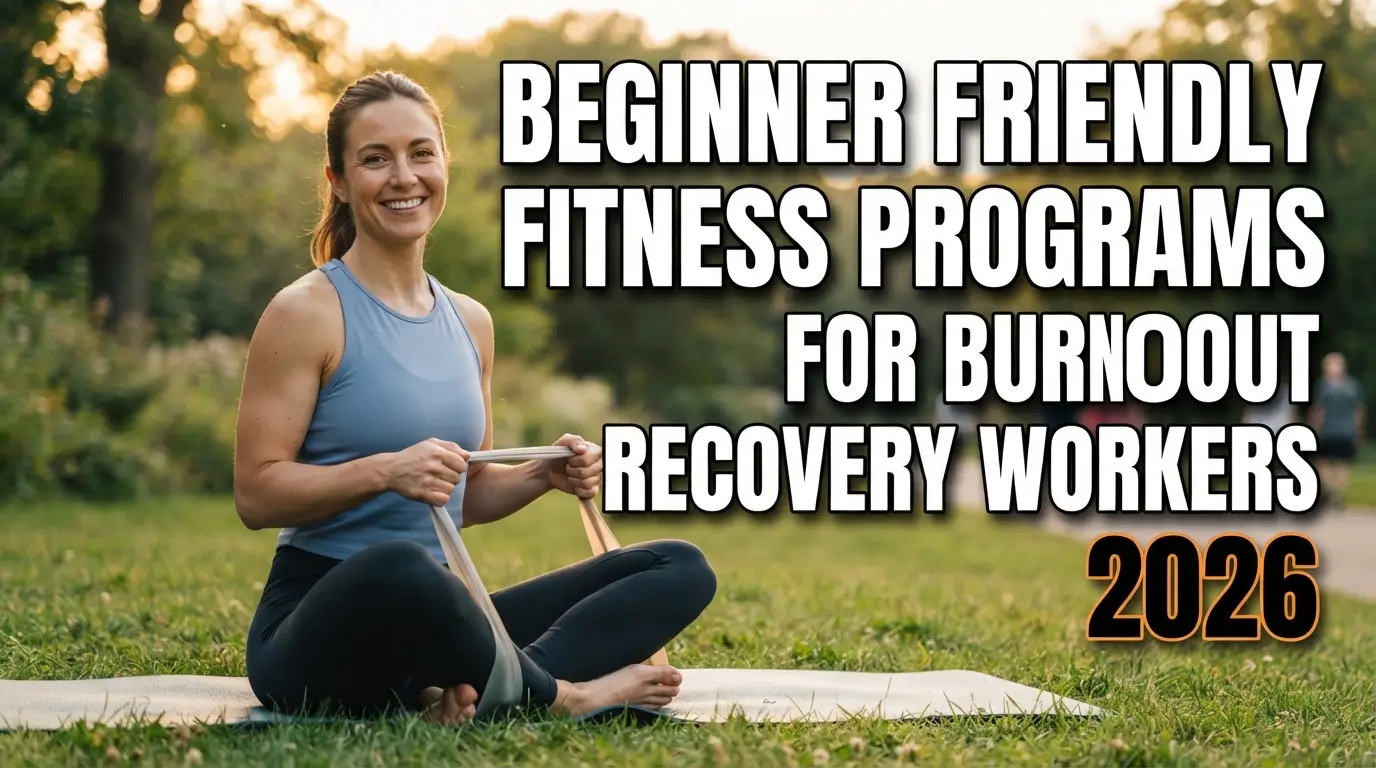
Resistance bands cost about $12 on Amazon, take up zero space, and give you a surprisingly effective strength workout without the intimidation of a weight room. I bought a set of Fit Simplify bands after seeing them recommended on Reddit, and I’ve used them three to four times a week for over a year now.
Why does strength training matter for sleep and mood? Because it boosts serotonin and dopamine production more effectively than cardio alone, according to a 2018 study published in JAMA Psychiatry. Even light resistance work counts. I do banded squats, overhead pulls, lateral walks, and glute bridges, usually for about 25 minutes while watching TV. It doesn’t feel like a workout, which is exactly why I stick with it. The soreness the next day is mild, the kind that reminds you that you actually did something good for yourself. That small sense of accomplishment compounds over time and genuinely improves how you feel about your body and your capabilities.
Easy Workout Plans for Improving Sleep and Mood Through Breathwork and Movement
This one surprised me because I never considered breathing exercises a “workout.” But structured breathwork paired with gentle movement absolutely qualifies, and the effects on both sleep and mood are dramatic.
I practice the 4-7-8 breathing method (inhale for 4 counts, hold for 7, exhale for 8) combined with slow tai chi-inspired arm movements for about 10 minutes before bed. Andrew Huberman’s podcast first put this on my radar, and the neuroscience behind it is solid. Controlled exhales activate the vagus nerve, which slows your heart rate and prepares your body for deep sleep. I also pair this with progressive muscle relaxation on nights when my brain won’t shut off. You tense each muscle group for five seconds, then release. Start at your feet and work up. By the time you reach your shoulders, your body feels heavy in the best possible way. This combo knocked my sleep onset time down to under 10 minutes on most nights.
4. The 15-Minute Dance Break Nobody Talks About
Put on a playlist. Move however your body wants to for 15 minutes. That’s it. That’s the workout.
I know it sounds ridiculous. But dancing in my kitchen to a playlist I made specifically for this purpose became the most reliable mood booster in my entire routine. There’s actual science here: rhythmic movement releases endorphins faster than steady-state cardio, and the music component adds a dopamine layer on top. A study from the Arts in Psychotherapy journal found that even unstructured dance reduced anxiety and depression symptoms after just four weeks. I do this around 4 PM when my energy crashes and my mood dips.
It pulls me out of the afternoon slump better than a second cup of coffee. My Spotify playlist has everything from Lizzo to Fleetwood Mac. No rules. No choreography. Just movement that feels good. My neighbors probably think I’ve lost it, but my mood tracker tells a very different story.
5. Swimming or Water Walking for Low-Impact Recovery
If your joints hurt or traditional exercise feels too demanding, water-based movement is an absolute standout. I started swimming twice a week at my local YMCA after a knee injury made running impossible, and the effect on my sleep was almost immediate.
Water exercise reduces cortisol, supports joint health, and creates a gentle full-body resistance that tires your muscles without the impact stress. Even just walking laps in the shallow end for 30 minutes counts. The water temperature also plays a role. Pool water usually sits around 78 to 82 degrees, and when you get out and your body cools down, it mimics the natural temperature drop that triggers melatonin production. I swim around 6 PM, shower at home, and I’m genuinely drowsy by 9:30. For mood, the meditative quality of moving through water is hard to describe until you’ve experienced it. Your brain goes quiet in a way that running never achieved for me.
6. Short Cycling Sessions That Build Over Time
You don’t need a Peloton for this, though if you have one, great. A basic stationary bike or even a regular outdoor bike works perfectly. I started with just 10 minutes of easy pedaling and built up to 25-minute sessions over about six weeks.
Cycling is rhythmic and repetitive, which puts your brain into a state similar to meditation. A 2019 study from the British Journal of Sports Medicine found that regular cycling was associated with a 20% lower risk of poor sleep quality. I ride my old Trek bike around a flat loop near my apartment three mornings a week. The fresh air adds another layer of benefit, since sunlight exposure in the morning helps regulate your circadian rhythm. On rainy days, I use a cheap magnetic trainer I bought on Facebook Marketplace for $40. The combination of light cardio, outdoor exposure, and routine timing has made my sleep schedule more predictable than it’s been since college.

Building Your Own Weekly Plan
The best easy workout plans for improving sleep and mood are the ones you actually follow. So here’s how I structure my week, and you can steal or modify any of it.
Monday: Morning yoga (20 min) + evening walk (20 min)
Tuesday: Resistance bands (25 min)
Wednesday: Rest day or gentle stretching
Thursday: Dance break (15 min) + breathwork before bed (10 min)
Friday: Swimming or cycling (30 min)
Saturday: Longer walk outside (30 to 45 min)
Sunday: Yoga + breathwork only
Notice there’s nothing extreme. No HIIT. No heavy lifting. No workouts that leave you so sore you dread the next session. The goal is sustainable movement that serves your nervous system, not punishes it. I track my sleep with a Fitbit Inspire 3, and my average sleep score went from 62 to 79 within two months of following this kind of schedule. My mood tracker in the Daylio app shows a similar upward trend. The data doesn’t lie, even when my motivation dips.
Common Mistakes That Sabotage Your Results
Working out too close to bedtime with high-intensity exercise is probably the biggest one. Anything that spikes your heart rate above 80% of your max within two hours of sleep will actually make insomnia worse. I learned this the hard way after doing burpees at 9 PM and lying awake until 1 AM.
Another mistake is going too hard too fast. If you haven’t exercised in months, starting with a 45-minute routine will make you sore, frustrated, and likely to quit. Start with 10 minutes. Seriously. Ten minutes of walking is infinitely better than zero minutes of the perfect workout you never do. Also, don’t ignore the timing of your workouts. Morning exercise tends to improve mood more throughout the day, while gentle evening movement tends to benefit sleep more directly. Experiment and see what your body responds to. Everyone’s different, and what worked for me might need tweaking for you.
FAQs
How quickly will exercise improve my sleep quality?
Most people notice changes within one to two weeks of consistent movement. I personally felt a difference after about five days of evening walks. But deeper, more reliable improvements took closer to a month. Consistency matters more than intensity. Even 10 to 15 minutes daily will produce noticeable results faster than sporadic longer workouts. Stick with it before judging.
What time of day is best for easy workouts that improve mood?
Morning exercise tends to give the biggest mood boost because it pairs with natural cortisol rhythms and sunlight exposure. That said, afternoon workouts (around 3 to 5 PM) also work well for lifting the late-day energy crash. The honest answer is that the best time is whenever you’ll actually do it consistently. Don’t overcomplicate this part.
Can easy workout plans for improving sleep and mood replace medication?
Exercise is a powerful complement to mental health treatment, but it’s not a replacement for medication if your doctor has prescribed it. I still take magnesium glycinate for sleep and have used SSRIs in the past. Talk to your healthcare provider before making changes. Movement should be one tool in a bigger toolkit, not the only one.
Do I need any equipment to start?
Not really. Walking, yoga, dancing, and breathwork require nothing except your body and maybe a yoga mat. A set of resistance bands ($10 to $15) adds variety when you’re ready. A stationary bike or pool access is nice but completely optional. Start with what you have. You can always add equipment later once the habit is solid.
What if I hate exercising?
You probably hate the wrong kind of exercise. I despised running but love swimming. I dreaded gym workouts but genuinely look forward to kitchen dance sessions. Reframe “exercise” as “movement that doesn’t feel terrible.” Try several options from this list and keep whichever ones you don’t dread. That’s the only sustainability test that matters.
Conclusion
Honestly, the version of me from three years ago would roll his eyes at an article like this. But these small, easy routines genuinely rebuilt my sleep and pulled my mood out of a rut that felt permanent. None of it requires athletic talent or expensive gear, just showing up for yourself in tiny ways that add up. What’s the one thing from this list you’d actually try this week?